Do Hummingbirds Use Bird Houses?
Many gardeners search for a hummingbird house because they want to make their yard more welcoming for these tiny, fast-moving birds. It sounds simple: hang a small house, wait for hummingbirds, and enjoy the view.
The honest answer is a little different. Hummingbirds usually do not use enclosed bird houses. They are not typical cavity-nesting birds. Instead, they build very small open cup nests on tree or shrub branches, often using soft plant material, spider silk, lichen, and moss to shape and camouflage the nest.
That does not mean a bird-friendly garden is out of reach. It just means a hummingbird-friendly garden needs the right kind of support. If you also want to add an outdoor bird house for other small backyard birds, this guide will help you understand the difference.
Why hummingbirds usually do not use bird houses
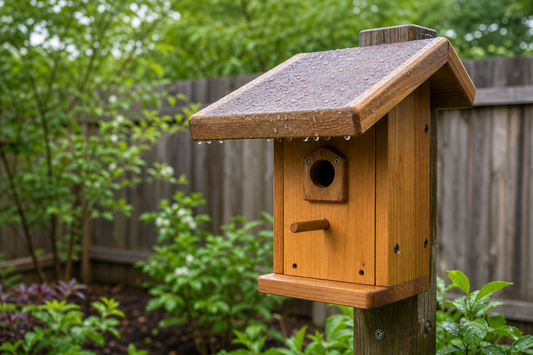
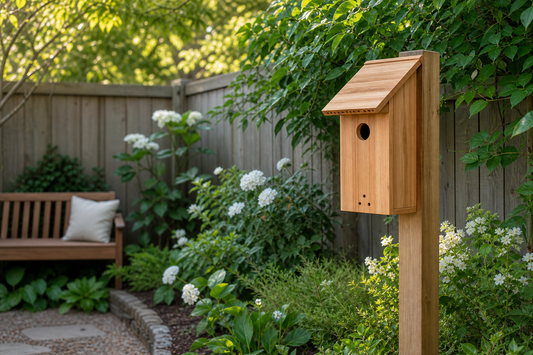
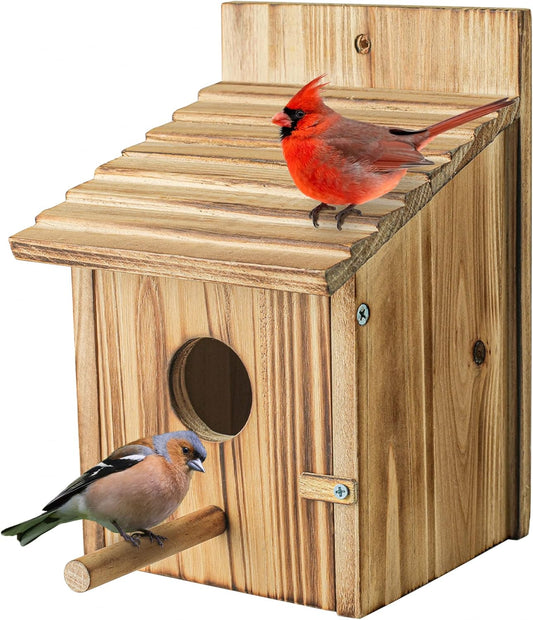
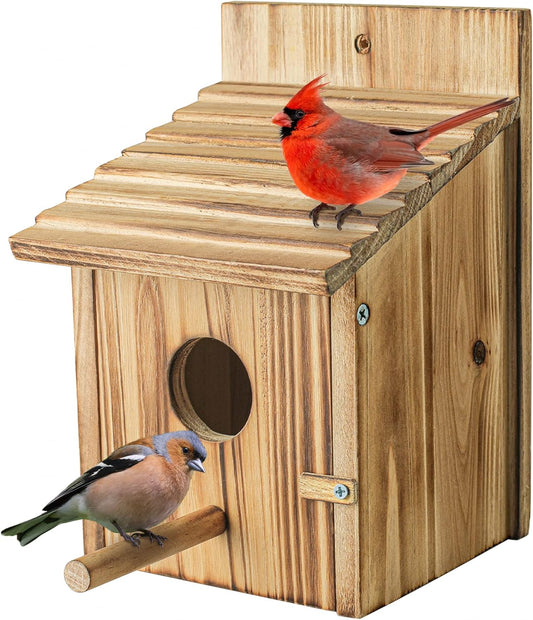
Most traditional bird houses are enclosed nest boxes. They are designed for birds that naturally nest in cavities, such as tree holes or similar sheltered spaces. Some backyard birds may explore a properly sized nest box when the entrance, placement, ventilation, and safety features are right.
Hummingbirds nest differently. For example, Cornell Lab's All About Birds describes ruby-throated hummingbirds as building nests on slender branches, usually above the ground, with a tiny cup-shaped structure made from downy plant material and spider silk. That is very different from moving into a wooden box.
So if your goal is specifically to attract nesting hummingbirds, an enclosed hanging house is usually not the most useful tool. A better plan is to create a yard with food, shelter, safe perching spots, and plants that make the area feel natural.
What hummingbirds need instead
Hummingbirds are strongly drawn to nectar sources. A garden with nectar-rich flowers can be more helpful than a decorative house. Tubular flowers in red, orange, pink, and purple are especially popular choices in many hummingbird gardens.
You can also use a hummingbird feeder, but it should be cleaned regularly and filled with the right sugar-water mixture. Avoid sticky residue, old nectar, and strong chemical cleaners. A feeder should help the birds, not create another risk in the yard.
Shelter matters too. Hummingbirds need small branches for perching and protected places where they can rest. Trees, shrubs, and layered planting can make a garden feel safer than a wide-open patio with nowhere to hide.
Can a small hanging bird house still be useful?
Yes, but it is better to think of it clearly. A small enclosed bird house may work as garden decor or as a shelter for certain small cavity-nesting birds, depending on the design and local bird species. It should not be treated as a guaranteed hummingbird nesting box.
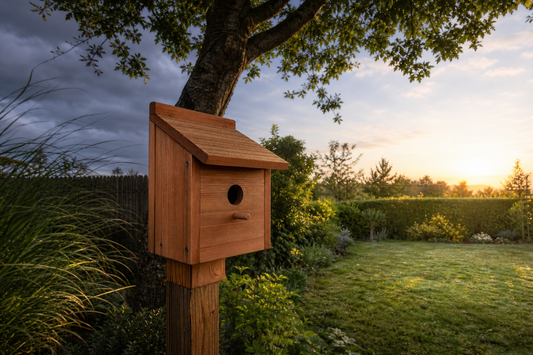
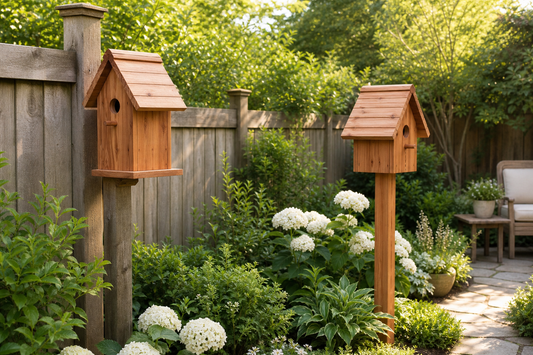
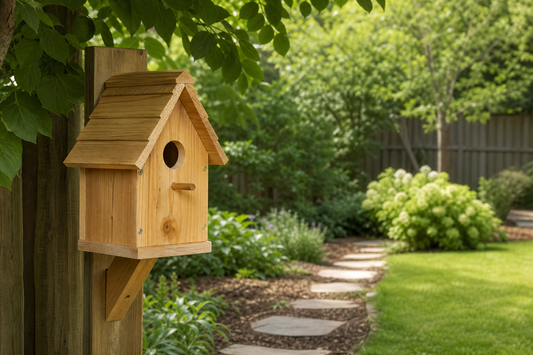
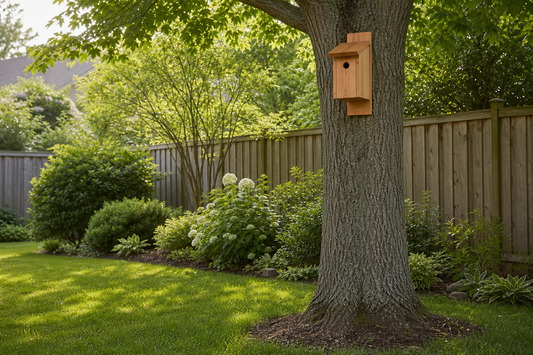
If you like the look of a tiny hanging house, choose one because it fits your garden style and because it may support other backyard birds. For a practical setup, look for outdoor-safe construction, ventilation, drainage, secure hanging, and a way to clean the inside between seasons.
For enclosed houses, explore NATUREYLWL's wooden bird house collection or browse all outdoor bird houses for garden, patio, and backyard use.
Which birds are more likely to use bird houses?
Bird house use depends on your region, habitat, entrance size, mounting height, and the species already visiting your yard. In many North American gardens, cavity-nesting birds such as wrens, chickadees, bluebirds, nuthatches, and some swallows may use nest boxes when the design fits their needs.
That is why the entrance hole matters. A large opening can invite unwanted visitors. A small opening may be safer for certain small birds, but it also needs to match the species you hope to attract. A bird house should be chosen for real nesting habits, not only for the name printed on the product page.
Good bird houses also need basic safety features. NestWatch recommends practical details such as untreated wood, drainage, ventilation, easy cleaning access, sturdy construction, and predator protection. These features are more important than decoration if your goal is to support birds.
How to make your garden better for hummingbirds
If hummingbirds visit your area, start with the garden environment. Plant nectar-rich flowers, offer clean feeders, provide shrubs and small trees, and avoid pesticides that reduce the insects hummingbirds also eat.
Water can help too. Hummingbirds often prefer fine mist or shallow moving water rather than deep bird baths. A mister near broad leaves or a gentle fountain can make the garden more inviting during warm weather.
Keep the space calm. Place feeders away from windows, busy doors, and areas where pets can easily reach. A hummingbird garden should feel active with flowers and insects, but not stressful or exposed.
Common mistakes to avoid
- Do not expect hummingbirds to nest inside an enclosed wooden bird house.
- Do not use old, cloudy, or dirty nectar in hummingbird feeders.
- Do not place feeders where cats can easily ambush visiting birds.
- Do not rely only on decoration if your goal is to support real bird behavior.
- Do not choose a bird house without checking ventilation, drainage, and clean-out access.
Quick garden checklist
- Use nectar-rich flowers to attract hummingbirds naturally.
- Keep hummingbird feeders clean and fresh.
- Provide shrubs, small trees, and safe perching places.
- Avoid pesticides when possible.
- Use enclosed bird houses mainly for cavity-nesting backyard birds.
- Choose wooden bird houses with ventilation, drainage, and easy seasonal cleaning.
The best answer is simple: hummingbirds usually do not use bird houses, but your garden can still welcome them. Give hummingbirds flowers, clean feeders, shelter, and a safer outdoor space. Then use enclosed bird houses for the small backyard birds that are more likely to use them.
Browse NATUREYLWL's outdoor bird house collection to compare wooden, colorful, hanging, and decorative designs for your garden.
Previous
How to Clean and Maintain a Wooden Bird House
Next
How to Choose the Right Bird House Size for Your Backyard