
How can you turn a backyard birdhouse project into a fun science lesson for your children?
Building a birdhouse in your backyard can be more than just a fun activity. It can be a chance to learn about nature in a hands-on way. This project is a great way to teach kids about science without using screens.

Did you know that nesting birds are important for a healthy yard? A pair of chickadees, for example, must catch 6,000–9,000 caterpillars per brood. This shows how important it is to treat birdhouses as a science lesson, not just a decoration.
This project lets your family choose safe materials and build a birdhouse. You'll learn about the best places to put it and start a log to track its use. This turns a simple birdhouse into a science study that lasts for weeks.
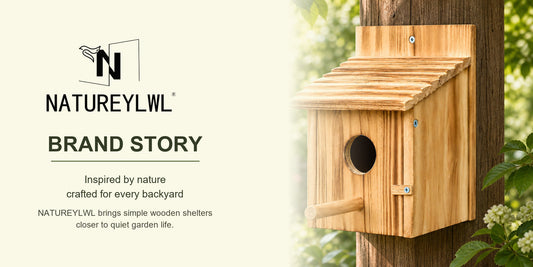
If you're looking for a U.S.-friendly option, NATUREYLWL offers premium, eco-friendly birdhouses. They have features like secure side-door latches for easy cleanup and custom interior grooves. These help support growing chicks and make the project easy for families to do.
Why a backyard birdhouse project makes an easy, screen-free STEM science lesson
Building a birdhouse in your backyard can be fun and educational. It teaches real science in a way kids will remember. With a DIY birdhouse kit, you can work together at the table, without phones, for a hands-on STEM lesson.

These kits also encourage questions. Why does the roof overhang? What if the entrance is too big? These conversations turn the project into a simple science lab.
STEM in action: engineering and math through measuring, cutting, and assembling a 3D structure
This project shows engineering and math in action. Kids learn about straight lines, right angles, and fitting parts together. They practice measuring and building a 3D structure, learning the importance of "measure twice, cut once."
As they mark centers and line up panels, they improve their spatial skills. Even with a kit, they must plan and check their work. This includes ensuring edges fit well and the roof meets cleanly.
Biology and ecology tie-in: how nesting birds support ecosystems
Nesting birds do more than just look cute. They help balance insects and support healthier trees. Chickadees, for example, can catch 6,000–9,000 caterpillars per brood.
It's also a chance to learn about different species' needs. Bluebirds prefer a 1.5-inch entrance hole, while chickadees like about 1.125 inches. Larger holes can attract pests. Drainage holes are also important for a dry nest.
Scientific method for kids: observation, hypothesis, and recording outcomes over time
Keep a "Bird House Journal" next to the window. Kids can write down when they first see birds, note nesting materials, and track feeding trips. This helps them observe and record over time.
Have them make a guess before anything moves in. Which species will choose the box and why? Then, they can test their hypothesis by watching patterns over time, not rushing for quick answers.
Age-appropriate roles: older kids measure and cut (with adult help), younger kids practice hammering and safe tool
Assign tasks so everyone feels useful and safe. Older kids can measure, mark, and cut wood with adult supervision. Younger kids can tap nails, hold pieces, and learn steady hands.
- Use safety goggles and a stable work surface.
- Try a “helper rule”: an adult holds the wood steady while kids hammer.
- Pause often to re-check alignment before the next fastener goes in.
Bird house DIY assembly kit for families, Educational wooden bird houses for kid
Building a bird house in your backyard can be a fun learning experience for the whole family. The best DIY kits for families are easy to follow. This way, kids can help without getting stuck.

Look for kits with clear instructions and pre-drilled holes. This makes it easier for kids to assemble the bird house with some help from an adult.
What to look for in a nature education bird house kit for kids: easy to assemble kit and a rewarding DIY experience
An easy-to-assemble kit should have simple steps and parts that fit right away. This helps kids practice important skills like fine motor control and tool safety.
- Simple instructions with a short parts list
- Hardware that’s sized right for beginners
- Clean-out access that opens fast for seasonal maintenance
Choose a kit that feels sturdy and real. A solid build makes it easier to observe and maintain the bird house over time.
Materials that matter: eco friendly natural solid wood birdhouse and sturdy and durable wood structure
Opt for a natural solid wood birdhouse for a safer choice. Untreated cedar is a great option because it's rot-resistant and free from chemicals.
Pine is cheaper but may not last as long. Plywood can be used, but exterior-grade panels are better for durability.
Don't paint the inside of the bird house. Instead, use water-based, non-toxic paint on the outside for safety and to reduce heat.
Design specs that support real nesting: 1.57 inch entrance hole nesting box for species fit and safety
A 1.57 inch entrance hole is important for the right species and safety. It keeps predators out and prevents larger birds from taking over.
Check for interior texture or grooves to help young birds climb out. Some kits include these features and an easy-clean access door.
Safety features for birds: dedicated predator guard keeps out invasive starlings and helps create a safe haven for
A dedicated predator guard protects the entrance. It can also deter animals from enlarging the hole. Many designs use a protective ring to prevent break-ins.
Choose bird houses that can handle weather and are easy to clean. Features like durable paint and a perch pole make monitoring easier and keep the build safe for families.
Build day plan: tools, safety, and simple assembly your kids can help with
A smooth birdhouse build day plan starts with a calm setup and clear roles. Kids can do a lot when the steps are short and the pace stays easy.
Kid-friendly assembly tips
To cut down on frustration, pre-drill pilot holes and let kids simply use a screwdriver or drill to drive screws straight. Younger helpers can hold clamps, line up edges, and count fasteners as you go.
If a board starts to drift, pause and re-clamp before tightening. That small reset keeps the fit clean and prevents split wood.
Make it a science moment
Turn the roof into a quick test: pour a small cup of water and watch where it runs off the edge. Kids can spot the “drip line” and see how roof overhang protects the walls.
Then talk about airflow and heat. Warm air rises, and without ventilation a nest box can get hot fast, specially if the exterior is painted a dark color.
Where to place the birdhouse for successful nesting and better backyard wildlife science for children
When families ask where to hang your bird house, start with height and calm. A sturdy spot about 5–10 feet up helps you watch activity while limiting easy access for many predators. It also sets up better backyard wildlife science for children because sightings are frequent, not rushed.
For direction, try to face entrance east or northeast. That angle can cut down on wind-driven rain and reduce harsh afternoon heat. Small choices like this often decide whether a pair stays long enough to raise young.
Mounting method matters as much as location. Hanging from a branch can work, but too much swinging may scare birds off. If you use a fence post or tree, an L-bracket can steady the box, yet it may be easier for climbers to reach.
- Pole mounting with baffle is a smart upgrade for many yards.
- The baffle acts like a guard, helping create a safe haven for breeding birds.
- Keep the box level, tight, and hard to wobble in the wind.
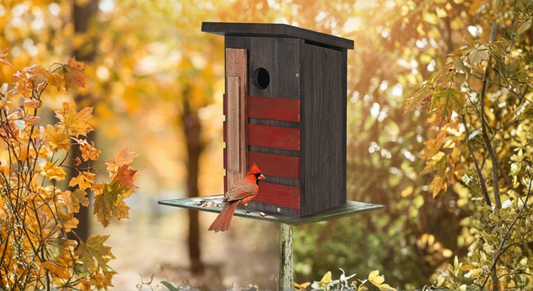
To attract bluebirds finches and cardinals, place the box near cover and within view of a reliable food or water source, but not right next to it. Kids can watch adults bring insects, track feeding times, and compare patterns on hot versus cool days. When squirrels bully feeder access or bigger birds take over, that becomes part of the science story—resource competition, simple design fixes, and why placement supports a full nesting cycle instead of quick drop-ins.
Turn nesting season into a long-term science study and seasonal birdhouse cleaning family tradition
A birdhouse build is just the beginning. Make spring a simple field study with a bird house journal. Track first inspections, nest building stages, and materials used. Also, note songs and calls, and mark when fledglings leave.
When nesting ends in late fall, start a birdhouse cleaning tradition. Remove old nesting material to avoid parasites, mites, and bacteria. With a door that opens easily, cleaning is quick and stress-free.
Before spring comes, do a quick check for easy cleaning and nesting prep. Tighten loose parts, check for warped wood, and ensure the roof is solid. This small maintenance helps the box last and keeps kids involved.
If you have a NATUREYLWL birdhouse, its side-door design makes cleaning easy. Inside, grooves help young birds exit, teaching about growth and survival. For STEM fun, try a feeder challenge with different types of feeders. Over time, your journal and cleaning tradition make your yard a safe haven for birds.
FAQ
How can a backyard birdhouse project become a fun science lesson for kids?
Make it a hands-on weekend project that combines outdoor fun with STEM learning. Kids will practice engineering and math by turning flat panels into a 3D structure. They'll also learn about biology and environmental stewardship by watching which birds move in and why habitat support matters.
What will our family actually learn and do from start to finish?
You'll choose safe materials, build or assemble a wooden birdhouse, and place it correctly. Then, you'll track results with a Bird House Journal. This journal can last weeks or months, turning one build into real backyard wildlife science for children.
Why does supporting nesting birds matter in a healthy backyard ecosystem?
Nesting birds are natural pest control. A single pair of nesting chickadees must catch 6,000–9,000 caterpillars per brood. This helps balance the yard's food web and reduces leaf damage without chemicals.
What’s the best bird house DIY assembly kit for families who want something durable and educational?
Look for an easy to assemble kit with clear alignment and fewer tricky cuts. NATUREYLWL is a U.S.-friendly option designed for families. It offers premium, eco-friendly wooden birdhouses with features like secure side-door latches for easy cleanup and custom interior grooves to help growing chicks.
What tools do we need for a family build?
You'll need a tape measure or ruler, a square, pencil, saw, two clamps, hammer, drill, and a 1-inch drill bit. Many kits are made for fast assembly with a screwdriver or drill. Adults handle saw work and supervise drilling.
What safety rules should we follow when building with kids?
Use safety goggles, work on a stable surface or workbench, and follow the “helper rule.” An adult holds wood steady while kids hammer or screw. Older children can measure and cut with a saw with adult supervision. Younger children can do basic assembly tasks and practice safe hammer use.
What STEM skills will kids practice while assembling a birdhouse?
Kids will build geometry and spatial reasoning by transforming flat pieces into a 3D structure. They can measure lengths, find centers for entrance holes, align roof angles, and learn the accuracy mindset of “measure twice, cut once.”
Why do entrance-hole sizes matter, and what sizes do common birds need?
Birds need different entrance-hole sizes and cavity dimensions. Holes that are too large can invite predators or unwanted takeover. For example, bluebirds often need a 1.5-inch hole, while chickadees prefer about 1.125 inches.
What does a 1.57 inch entrance hole nesting box attract?
A 1.57 inch entrance hole nesting box is a specific design choice that can fit certain backyard species while limiting others. It also reinforces a key science idea for kids: entrance diameter affects which birds can nest and how well the box resists predators and competitors.
How does a dedicated predator guard help protect nesting birds?
A dedicated predator guard helps prevent attacks and discourages takeovers by invasive birds. Many designs use a protective ring or “portal protector” concept to stop animals from enlarging the hole.
What are interior grooves for baby birds, and why are they important?
Interior grooves facilitate young birds exit by giving chicks traction as they climb toward the opening. This is helpful for swallows and bluebirds, supporting a safer fledging moment that families can observe and record.
Should a birdhouse have a perch pole?
A perch pole for feeding or keeping watch can be a comfort feature for some families to observe. If included, keep it sturdy and make sure it doesn’t compromise the main goal: a safe, secure cavity for nesting.
What materials are safest and longest-lasting for an outdoor birdhouse?
Untreated cedar is a top choice because it’s naturally rot-resistant and avoids chemicals found in pressure-treated lumber. Pine can be easier and cheaper but may last only 2–3 years. Exterior-grade plywood resists delamination better than interior plywood.
How should we paint or finish a birdhouse safely?
Never paint or stain the inside because fumes can get trapped and birds may peck the surface. For the exterior, use water-based, non-toxic paint. Avoid dark colors that absorb heat; a durable white paint weatherproof finish can help reflect sunlight and keep the box cooler.
How do we add drainage and ventilation so the nest stays healthy?
Drainage holes matter because damp nests can lead to cold chicks and higher disease risk. A simple method is clipping floor corners about 1/2 inch for drainage and ensuring there’s airflow so warm air can escape.
What’s the simplest workflow for building or assembling a wooden birdhouse?
Measure and cut panels, drill the entrance hole, then assemble by attaching sides to the back, inserting the floor, attaching the front, and finishing with a roof overhang. For less splintering, drill partway through and finish from the other side once the bit tip shows.
What fasteners hold up best outdoors?
Galvanized finish nails resist rust, and exterior wood glue can add strength if desired. Many family kits also use screws so a panel can open later for cleanout.
How do NATUREYLWL birdhouses make cleaning easier for families?
NATUREYLWL designs often include an easy clean access door with latch and a simple latch mechanism for quick opening. This means hassle-free cleaning and nesting prep without prying apart panels.
Where should we place the birdhouse for the best chance of a full nesting cycle?
Mount most backyard birdhouses about 5–10 feet off the ground for a balance of safety and observation access. Aim the entrance East or Northeast to reduce wind-driven rain and avoid harsh afternoon heat.
What mounting option is safest, and how do we reduce predator risk?
Pole mounting is often the safest because it limits easy access from trees and fences. Add a baffle (a downward-facing cone) to deter predators like squirrels and cats, and keep the structure stable so the box doesn’t swing.
Can we place the birdhouse near feeders and bird baths?
Yes, place it near—but not directly beside—reliable food and water so kids can observe feeding behavior without increasing traffic right at the nest. It’s also a good chance to discuss resource competition, like how squirrels can bully feeder access and how design choices change outcomes.
How can kids use the scientific method after the birdhouse is installed?
Start a Bird House Journal and make a hypothesis about which species will move in. Record the date of first sighting, nesting materials carried (straw, twigs, or mud), bird calls, and fledging timing, then compare observations to your original prediction.
When and how should we clean the birdhouse?
Make it a seasonal birdhouse cleaning family tradition in late fall, after nesting season ends. Remove old nesting material because it can harbor parasites, mites, and bacteria, then do a quick pre-season tune-up in early spring.
What should we check during a pre-season inspection?
Look for loose nails or screws, warped wood, roof stability, and any damage around the entrance. A quick tune-up extends the life of an eco friendly natural solid wood birdhouse and keeps it a reliable safe haven for breeding birds.
What birds can a well-designed backyard box help attract?
With the right placement and entrance size, families can attract bluebirds finches and cardinals and other cavity users depending on local habitat. Encourage kids to research species needs first, as hole size and box dimensions drive who can safely nest.
Previous
Which birdhouse shape actually attracts the most birds to your yard?
Next
Where to Place a Bird House Outside | Backyard Placement Guide